Social Media Marketing Strategy for 2026 How Brands Can Grow with AI & Community Building
Social media in 2026 is no longer just a place to post updates and wait for likes. It has become a complete brand growth channel where discovery, customer service, community engagement, content marketing, influencer collaboration and direct sales often happen in the same space.
For brands, the challenge is clear: audiences are more selective, feeds are more competitive, and generic content is easier than ever to ignore. A successful social media marketing strategy in 2026 must combine human creativity with smart technology, fast-moving video formats and deeper community relationships.
Current social media trends 2026 show that AI, short-form video, social search, micro-influencers and community-led growth are becoming central to brand success. HubSpot highlights AI content, short-form video, social shopping, TikTok-style search and community building as major themes for marketers in 2026.
Why Social Media Strategy Must Change in 2026
Social media has moved beyond simple brand awareness. It now influences how people search, compare, trust and buy from brands. Consumers expect useful content, quick responses, authentic conversations and brands that understand their interests.
Audiences Want Value, Not Noise
Posting daily is not enough if the content has no clear purpose. In 2026, brands need content that educates, entertains, solves problems or builds emotional connection. The strongest brands are not simply chasing every viral trend. They are building recognisable content styles that their audience can trust.
Sprout Social’s 2025 Index, based on surveys of thousands of consumers and marketers, shows how important social media has become for brand relationships and business impact. This means your strategy should focus on relevance, consistency and measurable value.
Social Search Is Becoming More Important
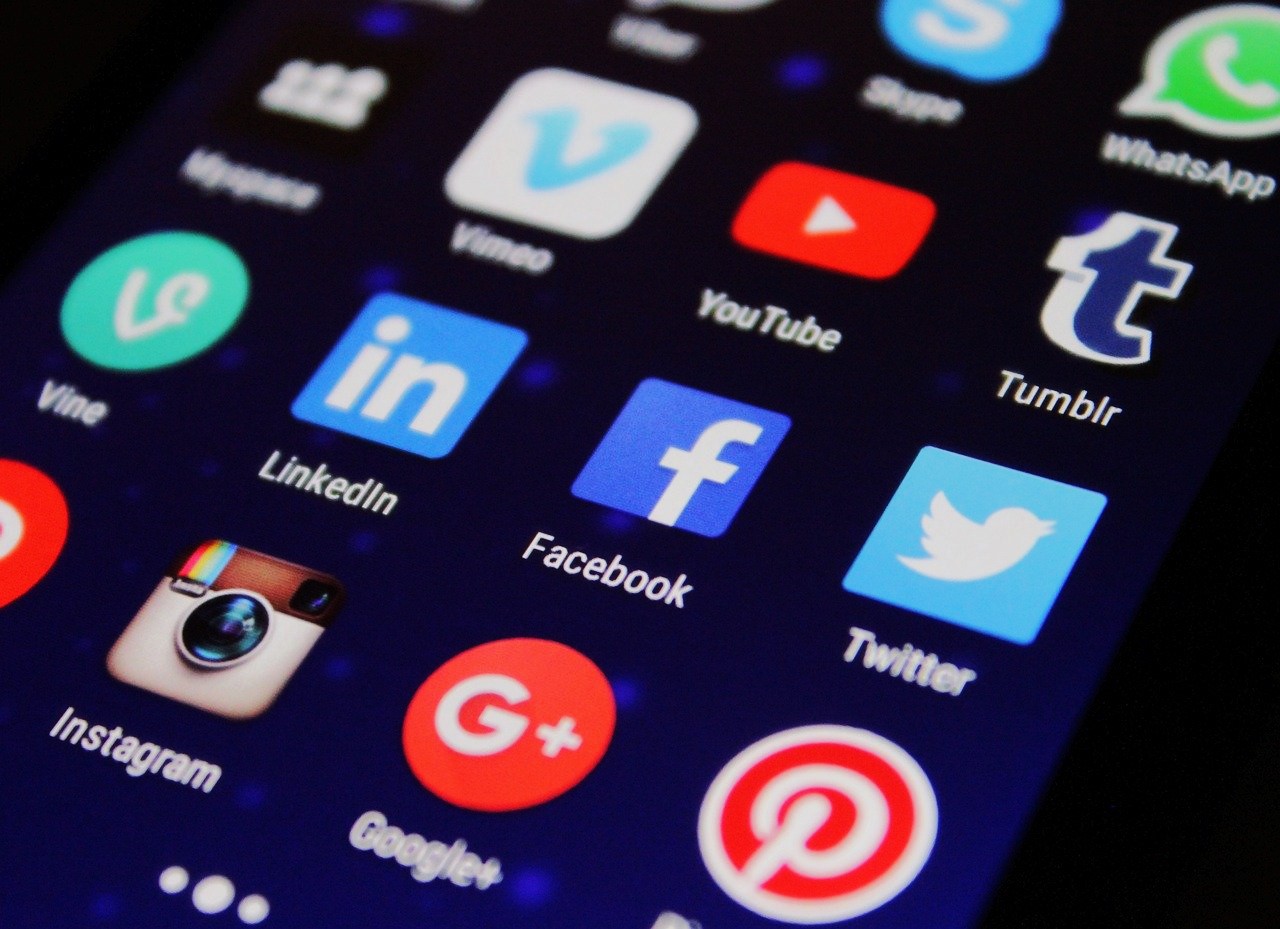
Many users now search directly on platforms such as TikTok, Instagram, YouTube and LinkedIn instead of starting with traditional search engines. This changes how brands should create content.
To win through social search, use clear captions, keyword-rich descriptions, helpful video titles and searchable questions. For example, instead of posting “Our new service is live”, a better approach would be “How small businesses can use AI social media marketing to save time and improve content planning”.
AI Social Media Marketing: Smarter, Faster and More Personal
AI social media marketing is one of the biggest shifts for 2026. AI tools can help brands create content ideas, analyse audience behaviour, generate first drafts, repurpose long-form content and identify the best posting times.
Use AI for Efficiency, Not Replacement
AI can speed up production, but it should not replace brand voice or human judgment. The best results come when teams use AI for research, planning and optimisation, then add human insight, storytelling and emotional intelligence.
LocaliQ’s 2026 trend coverage notes that AI is becoming deeply integrated into social media marketing, especially for content ideas, visuals and optimisation, while still requiring human oversight for authenticity.
Personalisation Will Matter More
AI can help brands segment audiences and deliver more relevant content. A fashion brand might create different posts for students, professionals and luxury shoppers. A SaaS company might tailor content for founders, marketers and sales teams.
Personalisation should feel helpful, not intrusive. Use data responsibly and focus on creating content that genuinely matches audience needs.
Short-Form Video Strategy for Better Reach and Engagement
A strong short-form video strategy is essential in 2026. Reels, TikToks, YouTube Shorts and LinkedIn short videos continue to dominate attention because they are quick, visual and easy to share.
Create Videos Around Clear Content Pillars
Random videos may get occasional views, but sustainable growth comes from structure. Build your short-form video content around three to five content pillars. These may include educational tips, behind-the-scenes clips, customer stories, product demonstrations and trend-based commentary.
For example, a digital marketing brand could use these pillars:
Educational Videos
Share quick tips such as “Three ways to improve your Instagram reach” or “How to write better LinkedIn hooks”.
Proof-Based Videos
Show case studies, client results, testimonials or before-and-after examples.
Personality-Led Videos
Let founders, team members or creators speak directly to the audience. This helps the brand feel more human.
Hook Viewers in the First Few Seconds
Attention is limited. Your video should open with a strong hook, such as a question, bold statement or clear promise. Instead of saying “Today we are discussing content marketing”, say “Most brands are wasting time on social media because they do not have these three content systems.”
Short-form video is repeatedly identified as a key 2026 format, with marketers using it to compete in crowded feeds and deliver faster brand storytelling.
Community Marketing: Building Loyalty Beyond Followers
Community marketing is becoming one of the most valuable parts of a modern social media strategy. Followers may see your posts occasionally, but community members actively engage, ask questions, share opinions and advocate for your brand.
Move from Audience to Community
An audience watches. A community participates. Brands can build communities through Facebook Groups, LinkedIn communities, Discord servers, broadcast channels, newsletters, live sessions and comment-based conversations.
Community building works because people want connection, not just promotion. A brand that listens, replies and creates space for discussion can build stronger loyalty than a brand that only posts sales messages.
Encourage Two-Way Conversations
Ask useful questions, run polls, invite customer stories and reply to comments with care. Instead of treating comments as small interactions, see them as relationship-building opportunities.
HubSpot identifies community building as a core revenue driver for 2026, alongside AI, social search, short-form video and social shopping
How to Build a Social Media Marketing Strategy for 2026
A practical social media marketing strategy should connect business goals with platform-specific execution.
Step 1: Define Clear Goals
Decide whether your main goal is awareness, leads, sales, customer retention, community growth or authority building. Each goal needs different content and metrics.
Step 2: Know Your Audience Deeply
Study your audience’s problems, interests, language and buying journey. Use social listening, analytics, surveys and comment research to understand what they care about.
Step 3: Choose the Right Platforms
Do not try to dominate every platform. B2B brands may prioritise LinkedIn and YouTube. Lifestyle brands may focus on Instagram, TikTok and Pinterest. Local businesses may benefit from Facebook, Instagram and Google-linked content.
Step 4: Balance AI, Video and Community
Use AI to plan and optimise. Use short-form video to reach and educate. Use community marketing to build trust and loyalty. Together, these three elements create a strong growth engine.
Step 5: Measure What Matters
Track reach, engagement, saves, shares, comments, leads, conversions, community growth and customer sentiment. Vanity metrics are not enough. The real question is whether social media is helping the brand grow.
Final Thoughts
The future of social media is not about posting more. It is about posting smarter, creating stronger connections and using technology with purpose. In 2026, brands that succeed will combine AI social media marketing, a focused short-form video strategy and meaningful community marketing. The best social media strategies will feel human, useful and consistent. AI may help brands move faster, but trust will still come from authenticity, creativity and real conversation. Brands that understand this balance will be better positioned to grow in 2026 and beyond.
FAQs
1. What is a social media marketing strategy?
A social media marketing strategy is a planned approach for using social platforms to achieve business goals such as brand awareness, engagement, lead generation, sales and customer loyalty.
2. What are the biggest social media trends 2026?
Key social media trends in 2026 include AI social media marketing, short-form video, social search, influencer partnerships, social commerce and community-led brand growth.
3. How can brands use AI in social media marketing?
Brands can use AI for content ideas, caption writing, audience research, scheduling, performance analysis and content repurposing. However, human creativity and brand voice should guide the final output.
4. Why is short-form video important for brands?
Short-form video helps brands capture attention quickly, explain ideas and reach audiences across platforms such as TikTok, Instagram Reels, YouTube Shorts and LinkedIn.
5. What is community marketing?
Community marketing is the process of building engaged groups of customers, followers or fans who interact with the brand and each other. It helps improve trust, loyalty and long-term engagement.